
My daughter’s room looks like a small storm passed through it most days, and for a while I assumed that meant something about her ability to organize her life in general. Then I read something that reframed the whole assumption: a messy room and a disorganized mind are not the same thing, and conflating them means missing what organization in children looks like at this age.
Educational content only. This article is built from CDC, AAP, and peer-reviewed research. It is not medical advice and does not replace your pediatrician’s guidance. If you have concerns about your child’s development, your doctor is the right first conversation, not this article.
Cooper-Kahn and Dietzel share an example that stuck with me: a couple heading out on a road trip without a map or a real plan for the route, confused about why anyone would find that stressful, unable to see what they hadn’t organized in advance. It’s not that they don’t care about arriving. It’s that the planning and sequencing piece of organization, thinking several steps ahead and holding the whole shape of a task in mind, is the piece that’s underdeveloped, not the motivation to get there.
That’s the same gap that shows up in a child who sincerely wants to turn in her homework and still doesn’t, or who wants a tidy room and still can’t seem to make it happen. The desire is there. The scaffolding for organizing toward it isn’t built yet. I used to hear stories like the road-trip example and assume they were about carelessness. What they’re describing is a specific cognitive gap between wanting an outcome and holding, in mind, all the steps required to get there in the right order.
Because organization looks like a character trait from the outside, a lazy kid, a careless kid, it’s common to miss that it’s a skill still under construction, the same way working memory or cognitive flexibility are skills still under construction at this age. A child who loses her homework isn’t necessarily failing to care about school. She may be missing the specific mental scaffolding that would have helped her track it: a consistent place things go, a routine for checking a backpack before leaving, a mental checklist that runs automatically for an adult but doesn’t yet run automatically for her.
This reframe matters because the response to a character problem and the response to a skill gap look completely different. A character problem gets a lecture about caring more. A skill gap gets a system: a specific spot for the backpack, a consistent time to pack it, a short checklist read out loud until it’s memorized. One of those approaches builds the missing scaffolding. The other repeats the same expectation without giving her any new tool to meet it.
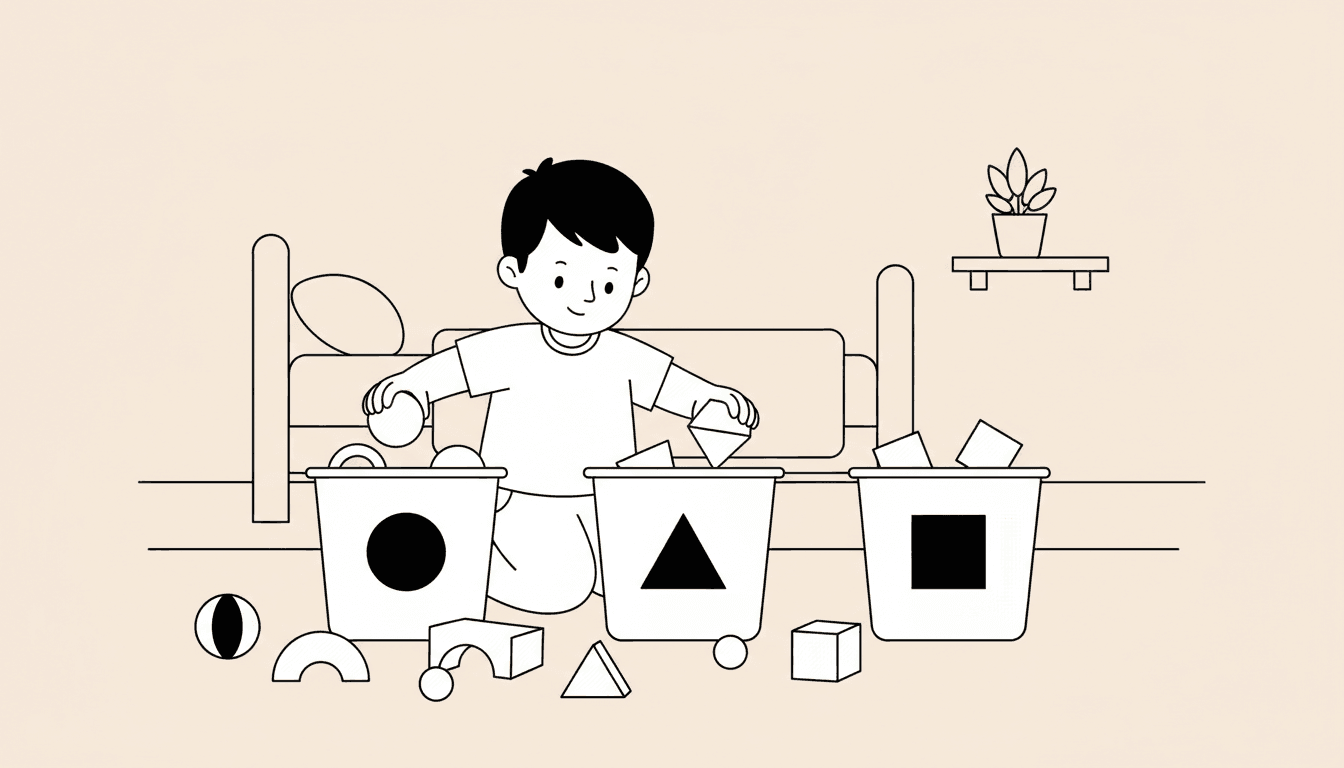
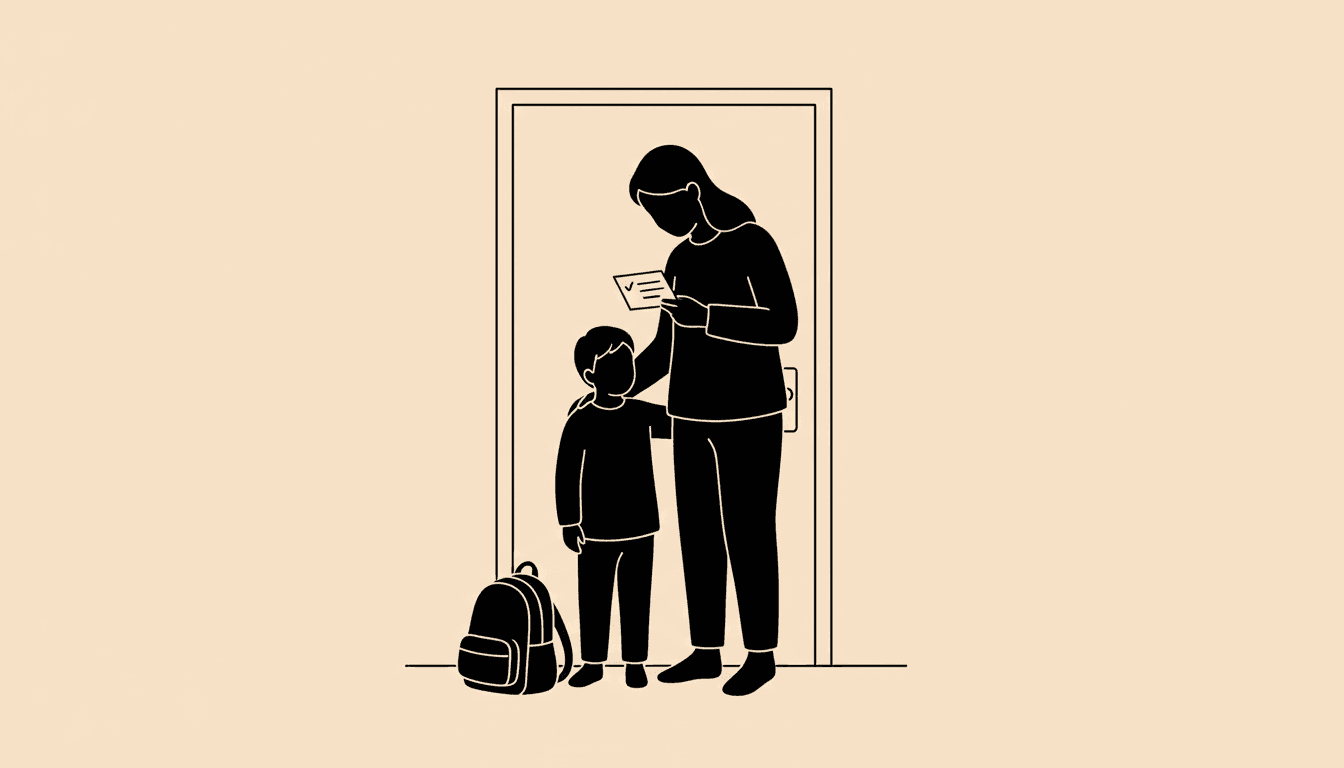
Once I stopped treating the messy room as a referendum on her character, I started building small, specific systems instead of giving bigger lectures. A designated bin for each category of toy, instead of a general instruction to clean up, gives her an actual sequence to follow instead of an abstract goal to achieve. A visual checklist by the door for what goes in the backpack replaces me asking her to remember everything unaided, which asks her to do the organizing work in her head with nothing external to lean on.
None of this fixed the room overnight. What it did was shift the skill she was practicing from vague tidiness toward specific, repeatable sequencing, which is closer to what organization asks of a developing brain. Some days the bin system works perfectly. Other days it falls apart entirely, and I’ve stopped treating either outcome as proof of anything permanent. It is a skill in progress, not a finished report card, and it will look inconsistent for a while before it looks reliable.

For most children, disorganization around belongings, time, and multi-step tasks is ordinary well into elementary school, and it responds to concrete systems more than to reminders about caring or trying harder. It is not a preview of who she’ll become as an adult.
What’s worth a mention at a well visit is a different pattern: if disorganization is severe enough to consistently disrupt schoolwork or daily routines even with concrete systems in place, or if it shows up alongside other concerns around attention or working memory. Raising a Developmental Concern With Your Pediatrician walks through how to bring an observation like that into a visit in a way that gets taken seriously. Most days, though, a messy floor is only a messy floor, not a window into a disorganized mind underneath it.
Not necessarily. Clinical psychologists Joyce Cooper-Kahn and Laurie Dietzel, in their widely used parent guide on executive functioning, describe organization as involving both physical tidiness and mental sequencing, which are separate abilities. A child can struggle with keeping a tidy room while being capable at holding multi-step tasks in the right order, or the reverse. Judging overall organizational skill from room tidiness alone risks missing the more functionally important half of the skill.
This often reflects a gap between motivation and the mental scaffolding needed to act on it, not a lack of caring. Cooper-Kahn and Dietzel describe this using the example of someone departing on a trip without adequate advance planning, unable to see what they failed to organize, despite caring about the outcome. A similar gap can explain a child who wants to turn in homework but doesn’t yet have a consistent system for tracking it.
Concrete, specific systems tend to help more than general reminders to try harder or be more careful. Examples include a designated bin for each category of belongings instead of a general instruction to clean up, and a visual checklist for routine tasks like packing a backpack, which gives a child an external structure to follow instead of asking her to hold the entire sequence in her head unaided.
The research and clinical literature on executive function frame organization as a developing skill, similar to working memory or cognitive flexibility, instead of a fixed character trait. Treating a disorganized child as lazy or careless risks responding to what looks like a motivation problem with encouragement alone, when what’s often missing is a concrete system or structure the child hasn’t yet developed on her own.
Some disorganization around belongings, time, and multi-step tasks is ordinary well into elementary school and typically responds to concrete systems over time. It’s worth raising with your pediatrician if disorganization is severe enough to consistently disrupt schoolwork or daily routines even with concrete systems in place, or if it appears alongside other concerns involving attention or working memory.
Share this article