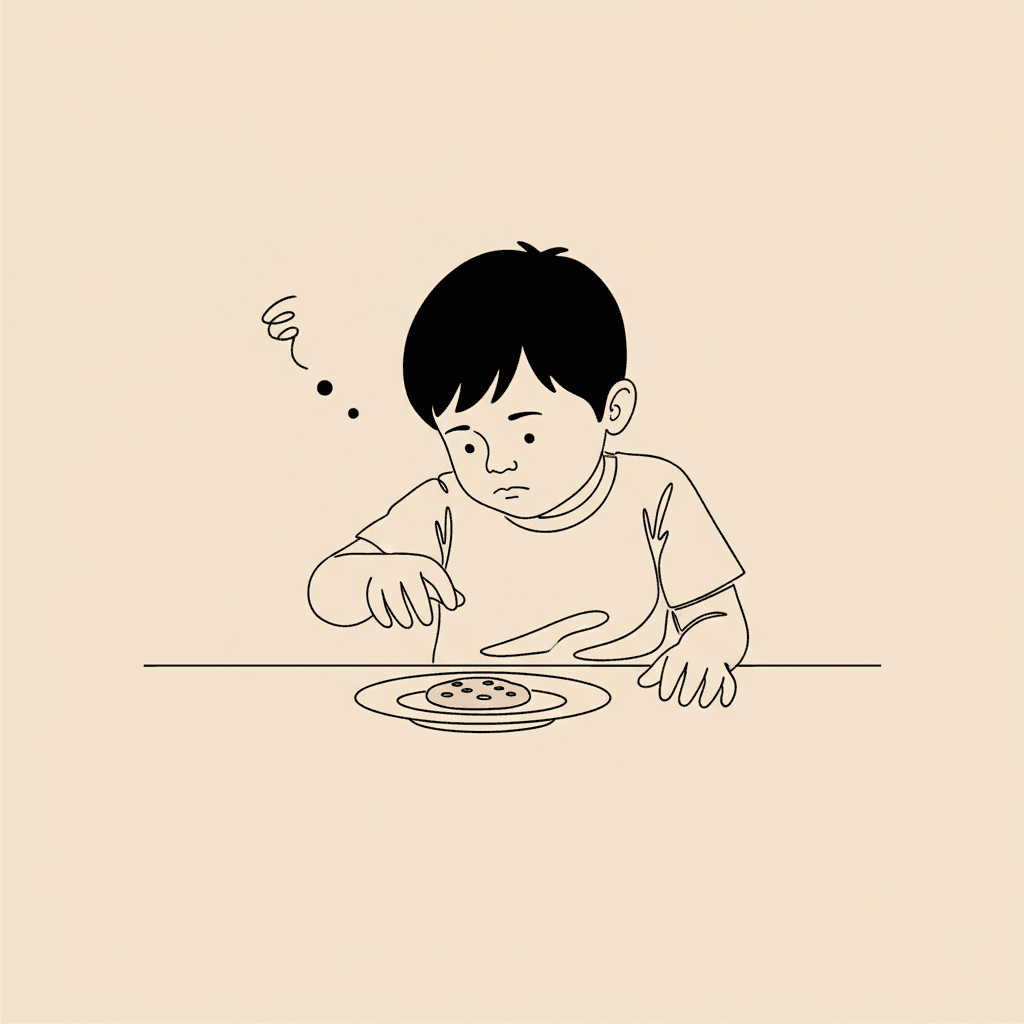
The meltdowns that feel sudden at three are a documented developmental stage, not a discipline failure. Emotional intensity peaks here because the regulation skills to manage it are still being built.
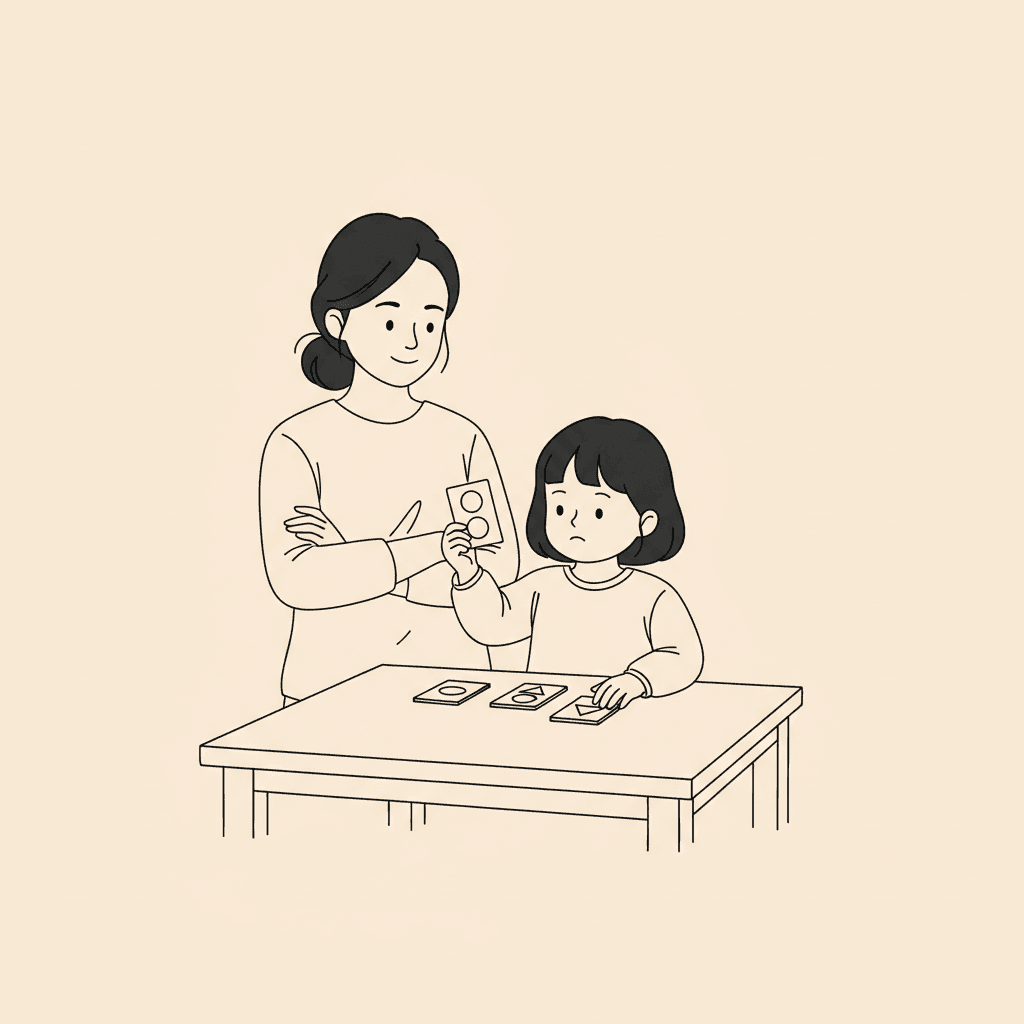
Symbolic thinking and theory of mind take real shape. Your child is starting to understand that other people think differently than they do, the foundation for empathy, negotiation, and pretend play with real rules.
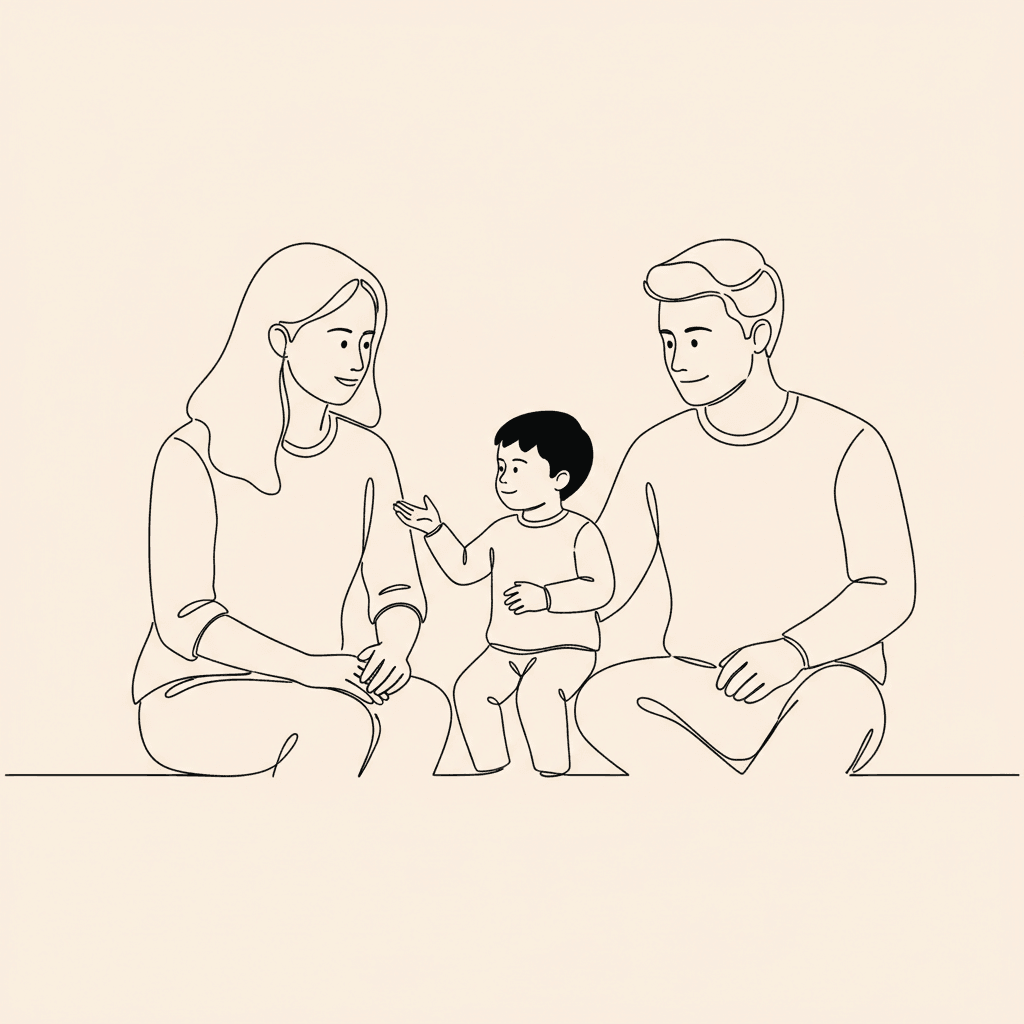
Cooperative play replaces parallel play. Sharing, turn-taking, and early friendship navigation move from occasional to expected with real setbacks along the way.
The meltdowns that feel sudden at three are a documented developmental stage, not a discipline failure. Emotional intensity peaks here because the regulation skills to manage it are still being built.
The meltdowns that feel sudden at three are a documented developmental stage, not a discipline failure. Emotional intensity peaks here because the regulation skills to manage it are still being built.
The meltdowns that feel sudden at three are a documented developmental stage, not a discipline failure. Emotional intensity peaks here because the regulation skills to manage it are still being built.
The meltdowns that feel sudden at three are a documented developmental stage, not a discipline failure. Emotional intensity peaks here because the regulation skills to manage it are still being built.
The meltdowns that feel sudden at three are a documented developmental stage, not a discipline failure. Emotional intensity peaks here because the regulation skills to manage it are still being built.
The meltdowns that feel sudden at three are a documented developmental stage, not a discipline failure. Emotional intensity peaks here because the regulation skills to manage it are still being built.
The meltdowns that feel sudden at three are a documented developmental stage, not a discipline failure. Emotional intensity peaks here because the regulation skills to manage it are still being built.
“What does a typical 3-year-old’s attention span look like? What would concern you?”
Is my child on track for kindergarten in attention, regulation, and social readiness?”
“Is there anything I should flag with their teacher on day one?”


The full 3–5 year section: milestones, working parent lens, pediatrician questions.
The full 3–5 year section: milestones, working parent lens, pediatrician questions.

Free download · Ages 3–5 Resource Pack
School readiness is not about the alphabet. The most persistent myth in early childhood is that academic preparation; letters, numbers, reading readiness, is what gets children ready for school. The research says otherwise, clearly and consistently.
The strongest predictors of school success at ages 3–5 are executive function skills: the ability to focus attention, follow instructions, regulate emotions in a group setting, and persist when something is hard. These skills are built through play, conversation, movement, and relationships, not worksheets.
For working parents specifically: the research on childcare quality suggests that a high-quality group care setting actively supports school readiness by building exactly these skills. You do not need to be home doing structured learning activities. The context you have already created is working.
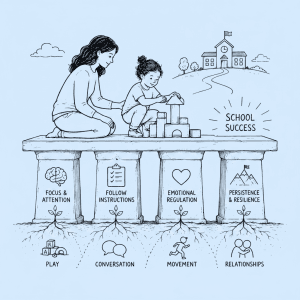

NICHD research shows group care environments, when quality is adequate, build the peer interaction, rule-following, and self-regulation skills that are the strongest predictors of school readiness. The structure of childcare is working in your child’s favour.
Hart and Risley’s language research and subsequent replications show that the nature of parent-child conversation; its responsiveness, complexity, and back-and-forth quality, is what drives vocabulary and cognitive development. Not hours spent together.
Meta-analyses across longitudinal studies consistently show no developmental disadvantage for children of working mothers when childcare meets basic quality thresholds. The anxiety you feel about working is not evidence of harm.
Every article on the ages 3–5 hub includes the working parent context. Because the research that applies to you is different from the research written for everyone else.
Most things you notice at this age are within the normal range. Some patterns are worth raising with your child’s doctor. Here is how to tell the difference.
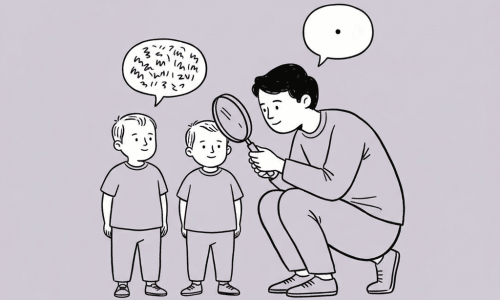
By age four, most adults who do not know your child should be able to understand most of what your child says. Familiar family members understanding a child is not the same benchmark — families learn to interpret. If people who meet your child regularly cannot follow their speech, a speech-language assessment is appropriate.
Early speech therapy at this age has strong outcomes. The window is still wide open.
What to do: Mention it at the next well-child visit. Ask specifically about a referral to a speech-language pathologist. You do not need to frame it as a concern, you can frame it as a question: “I’d like to get a baseline assessment. Can you refer us?”
By age five, after regular peer exposure in preschool or childcare, most children have at least one child they name as a friend and actively seek out. If your child consistently avoids other children, shows no interest in peer play after extended exposure, or is not able to maintain any play interaction with a peer for more than a few minutes, this is worth raising.
The distinction that matters: a child who plays alongside others but needs time to warm up is different from a child who consistently cannot connect with peers at all. The first is temperament. The second is worth discussing.
What to do: Start with your child’s preschool or childcare teacher. They see your child in peer settings every day. Then bring what they observe to your pediatrician.
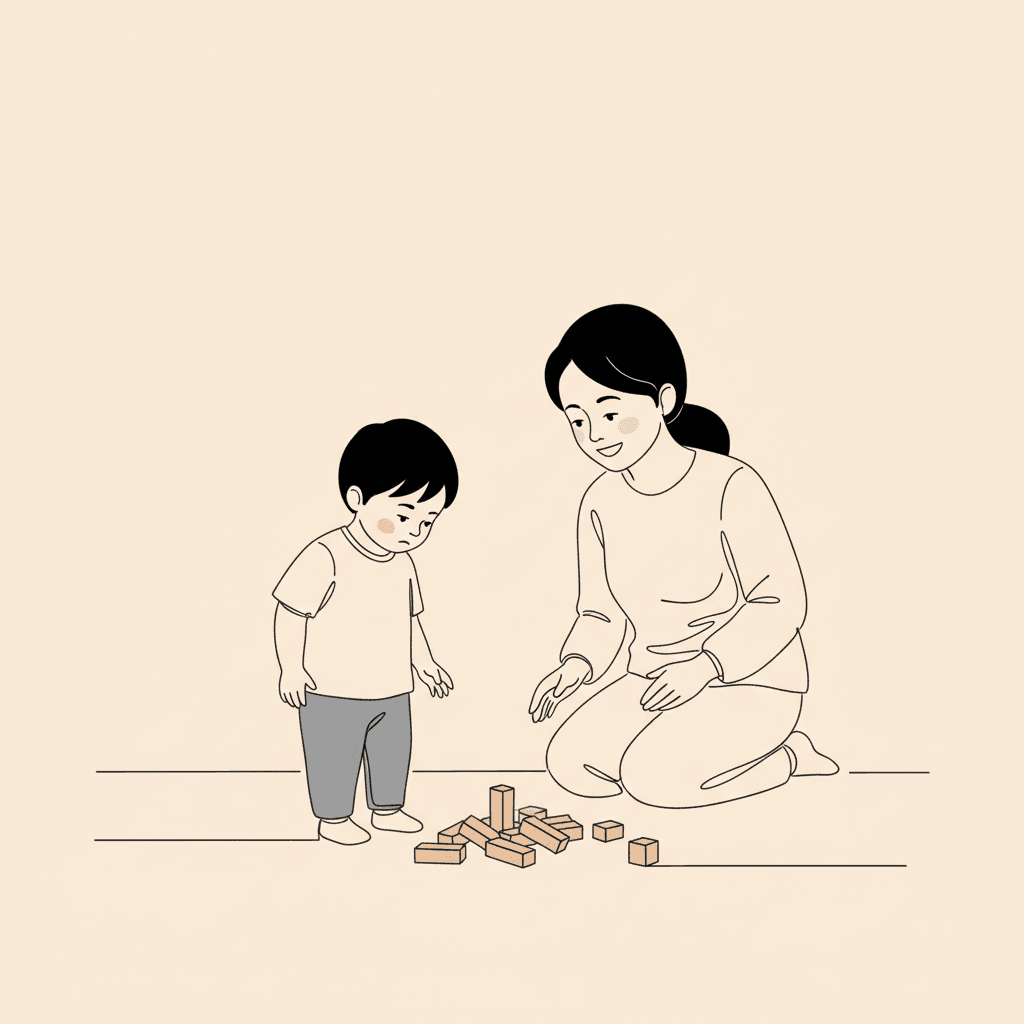
Tantrums should reduce in frequency and intensity as language develops through the preschool years. A child who can say “I’m frustrated” is less likely to express it by throwing themselves on the floor. Multiple daily high-intensity tantrums at age four — particularly ones that are not triggered by obvious causes and do not reduce over months — may reflect an emotional regulation concern, an unmet sensory need, or a communication gap that language has not yet closed.
What to do: Document what you are seeing. Note the frequency, duration, triggers, and what helps. A two-week log of that kind of information makes a pediatric conversation far more productive than “he has a lot of meltdowns.”
Write down specific behaviours; what you see, how often, and in which contexts. This makes a pediatric conversation far more productive and actionable.
You do not need to wait for the next scheduled visit. A brief call describing what you are observing is always appropriate. Trust your instinct; you know your child
If your pediatrician refers your child for evaluation, this is the right next step, not a diagnosis. Early evaluation, when warranted, leads to early support, and early support makes a significant difference.
Three well-child visits fall within the ages 3 to 5 window. Each one has a specific developmental agenda. Knowing what is being screened and what to raise proactively makes you a far more effective advocate for your child, particularly as a working parent who has limited appointment time.
Questions worth raising:
AAP-scheduled screenings at this visit:
Questions worth raising:
AAP-scheduled screenings at this visit:
Questions worth raising:
Every CDC and AAP milestone from birth to ten, reframed for parents who work full-time. Seven age windows, five developmental domains, and the working parent context that no government publication includes
Every CDC and AAP milestone from birth to ten, reframed for parents who work full-time. Seven age windows, five developmental domains, and the working parent context that no government publication includes
Every CDC and AAP milestone from birth to ten, reframed for parents who work full-time. Seven age windows, five developmental domains, and the working parent context that no government publication includes
The Weekly Brief · Every Tuesday
One research finding, one framework, one article, one question. Written for working parents who have fifteen minutes, not two hours.