
The Best Self-Control Exercise Looks Like Unstructured Play

I used to feel a little guilty when my son built a pretend restaurant out of couch cushions instead of using a structured activity kit. Research on self-control in children suggests I had it backwards: the pretend play may build more self-regulation for a developing brain than the kit ever could, and the research explains exactly why.
Three Kindergarten Skills Predict Success. Behavior Is Not One.

I spent part of my son’s kindergarten year privately worried about his rough drop-offs and the fidgety circle time, assuming that was the piece most likely to derail him academically. Then I found the actual school readiness research on what predicts later achievement, and behavior problems weren’t anywhere near the top of the list.
A Messy Room Is Not the Same as a Disorganized Mind.
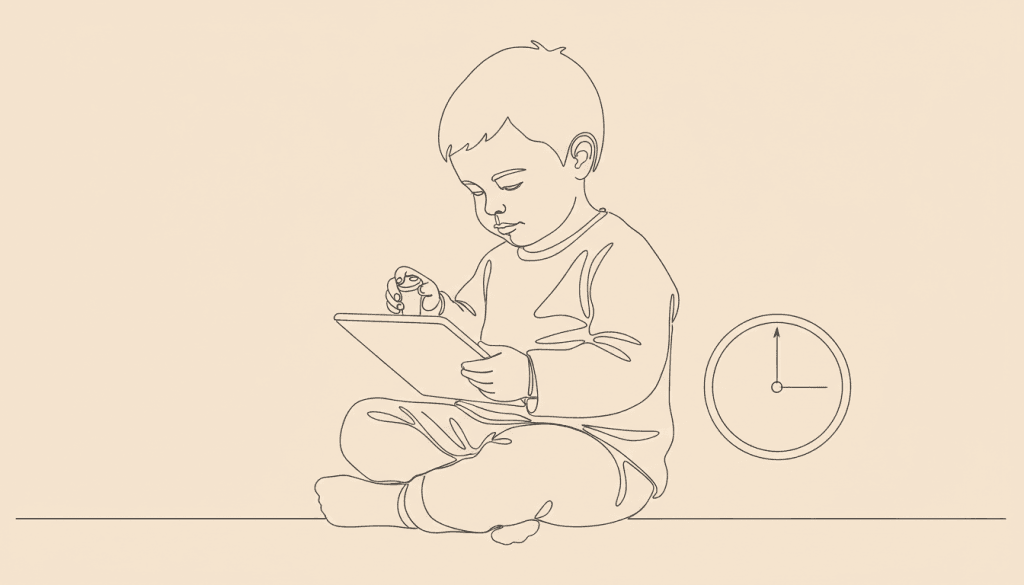
My daughter’s room looks like a small storm passed through it most days. I assumed that meant something about her ability to organize her life overall. It doesn’t. Organization in children splits into physical tidiness and mental sequencing, two different skills entirely, and mixing them up means misjudging a child based on nothing more than the state of her floor.
Attention Is Not Fixed. Five Days of Training Changed It.
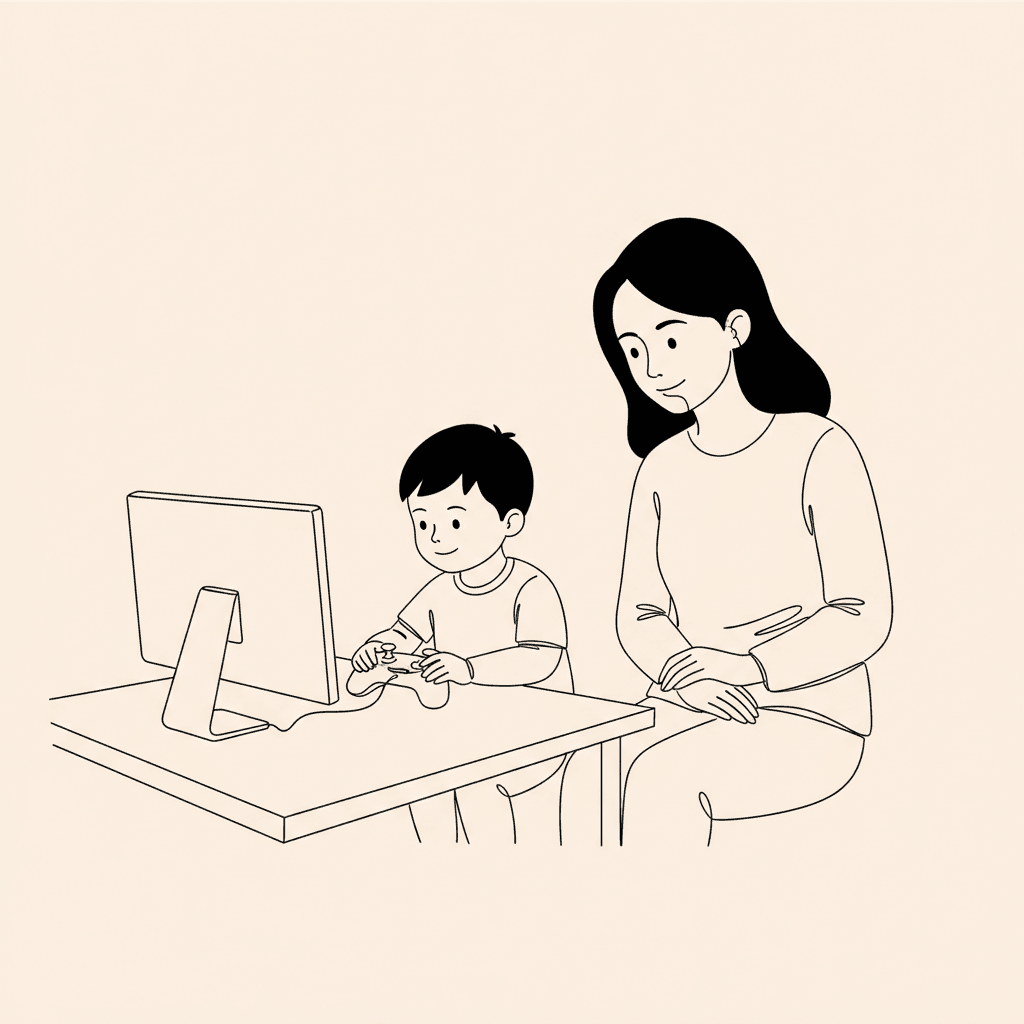
I used to talk about my son’s attention span like his height, something fixed and settled. Then I found a study where five days of training measurably changed how children’s brains handled focus, visible on brain scans afterward. Attention control in children is far less fixed than we usually assume it to be.
The Way You Praise a Child Effort Predicts Whether They Try Again.
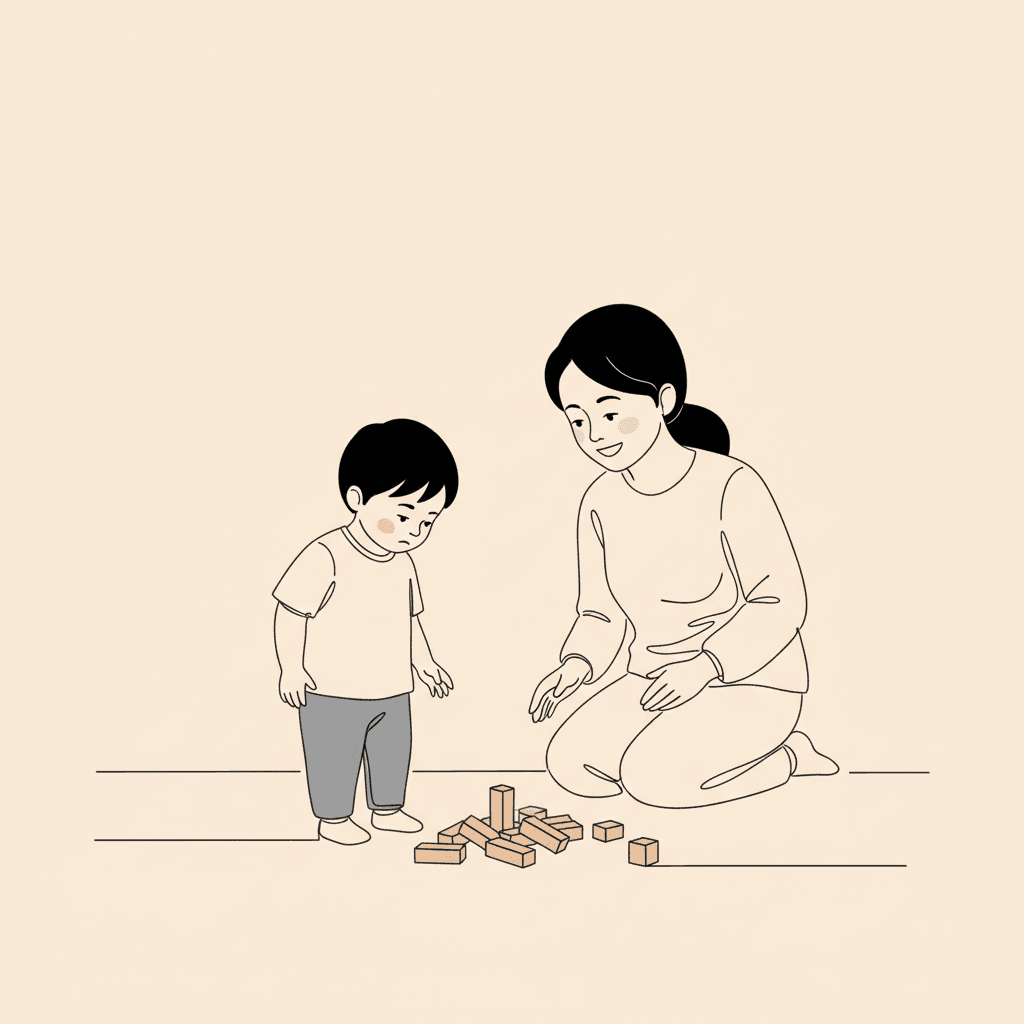
My son’s block tower fell four times. I said good job, and he walked away without trying a fifth time. It turns out task persistence in children responds to specific language, not general encouragement, and the research on what to say instead is far more precise than I expected it to be.
The Bilingual Advantage Is Real. It Is Narrower Than You Think.
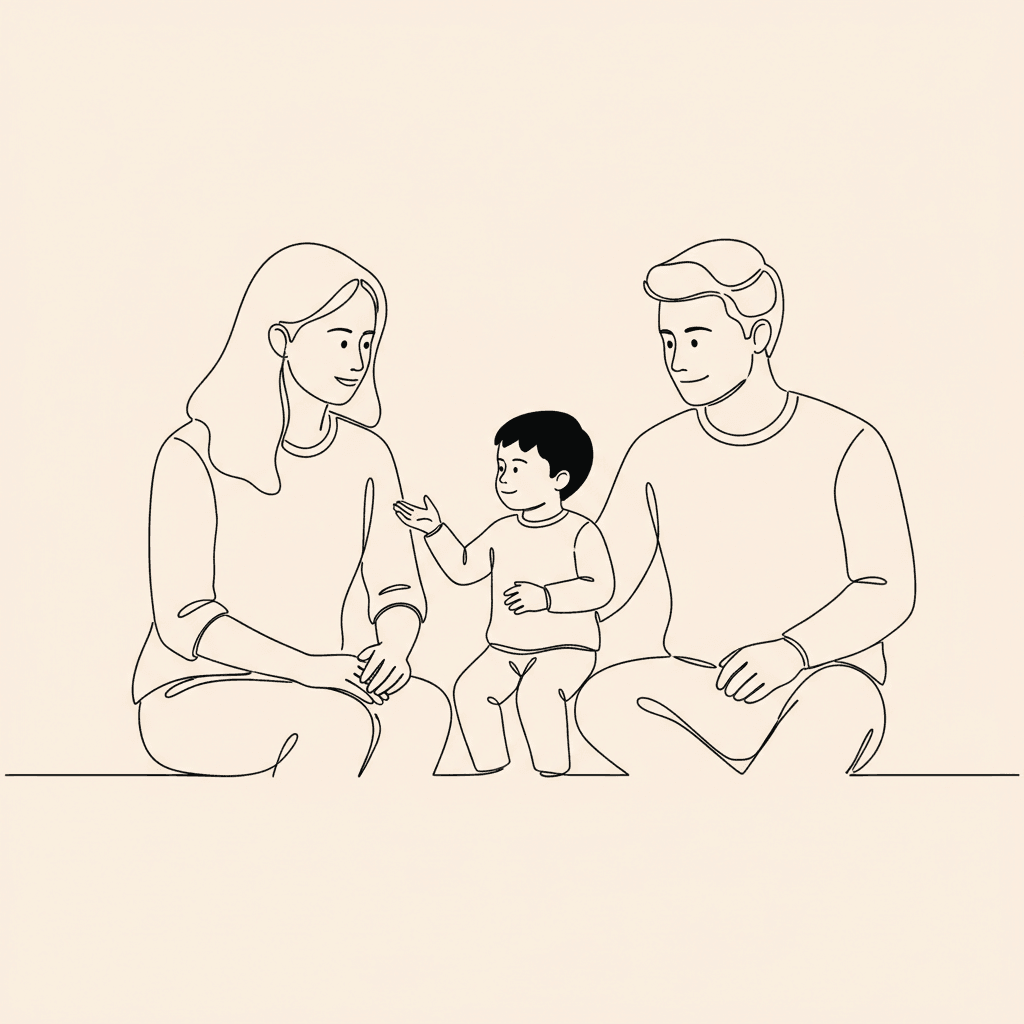
I have heard it repeated so many times I stopped questioning it: bilingual kids are sharper at switching gears. Then I looked at what the research on cognitive flexibility in children shows, and it’s real, but a lot more specific, and a lot more debated, than the version everyone repeats at playgroups.
She Knew the New Rule. She Played by the Old One Anyway.
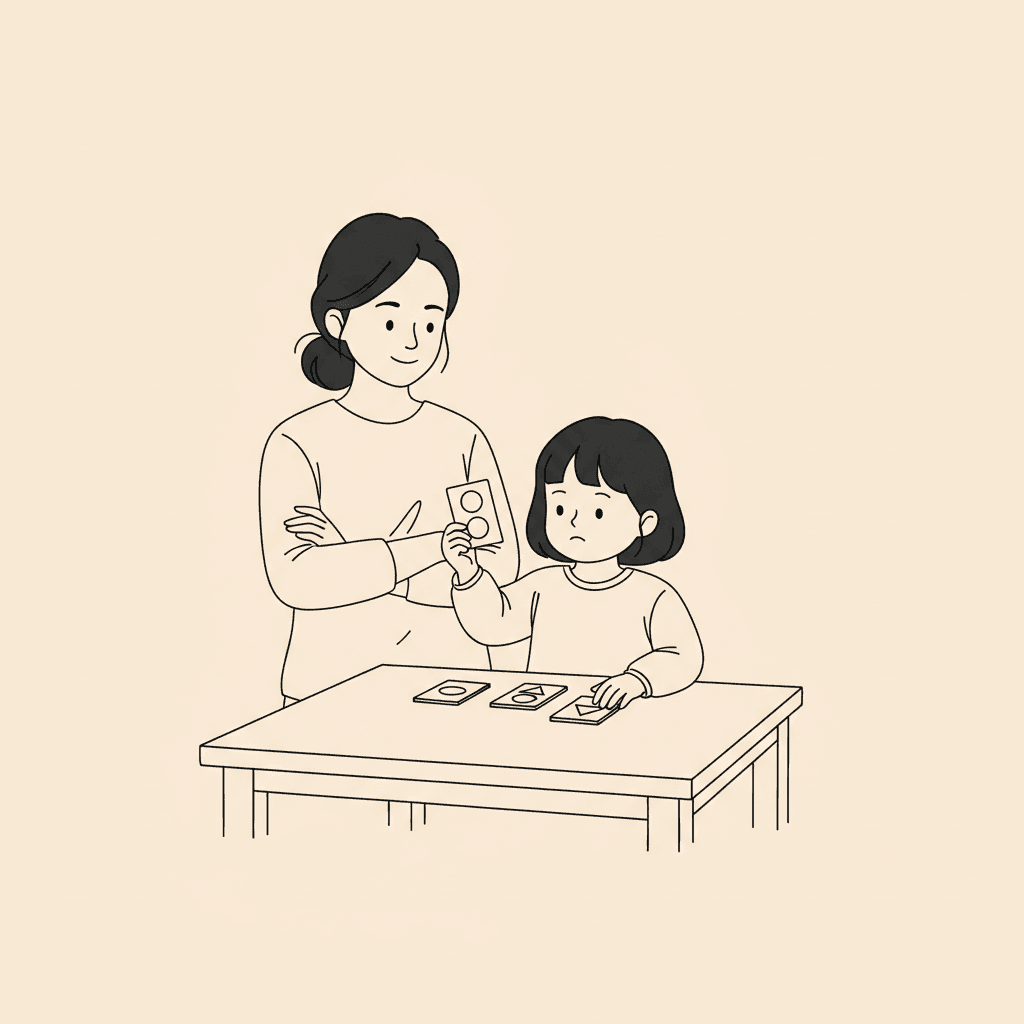
I told my daughter the sorting rule had changed. She repeated it back correctly, then sorted the next card by the old rule anyway. I used to think that meant she wasn’t listening. What the research on cognitive flexibility in children shows is a lot more specific, and a lot less worrying, than that.
They Plan for What Happes. Not Yet for What Might Go Wrong.
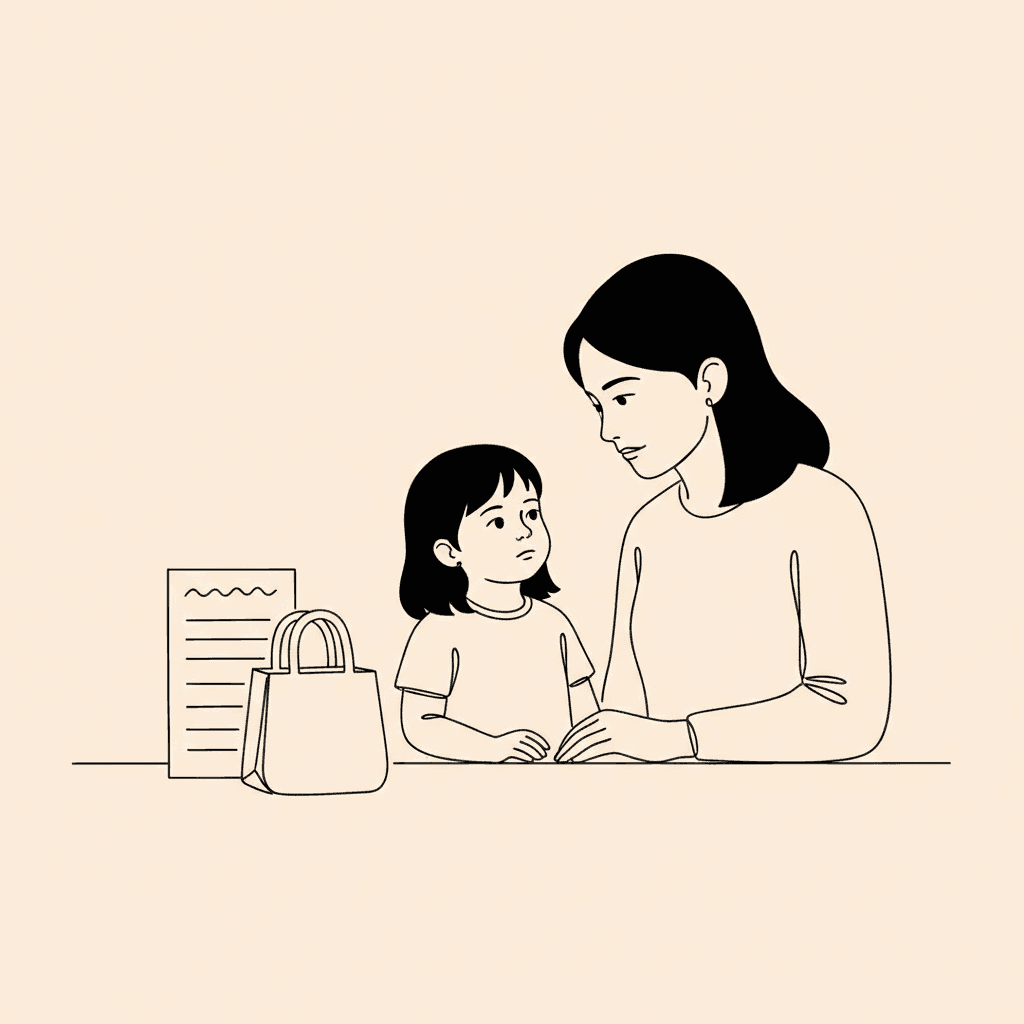
My daughter listed everything we needed for the grocery store without missing a beat. Then I asked what we’d do if the store didn’t have what she wanted, and she looked at me. Planning in children turns out to be two separate skills, not one, and research shows exactly which one comes first.
Willpower Is Not the Skill. Knowing What to Do Instead Is

I kept telling my daughter to use her willpower. It never worked. Then I found out what separated the children who waited longest in Walter Mischel’s original studies, and none of it involved trying harder or gritting their teeth. Self-control in young children looks a lot more like redirection than resistance.
The Marshmallow Test Never Proved What You Think It Proved.
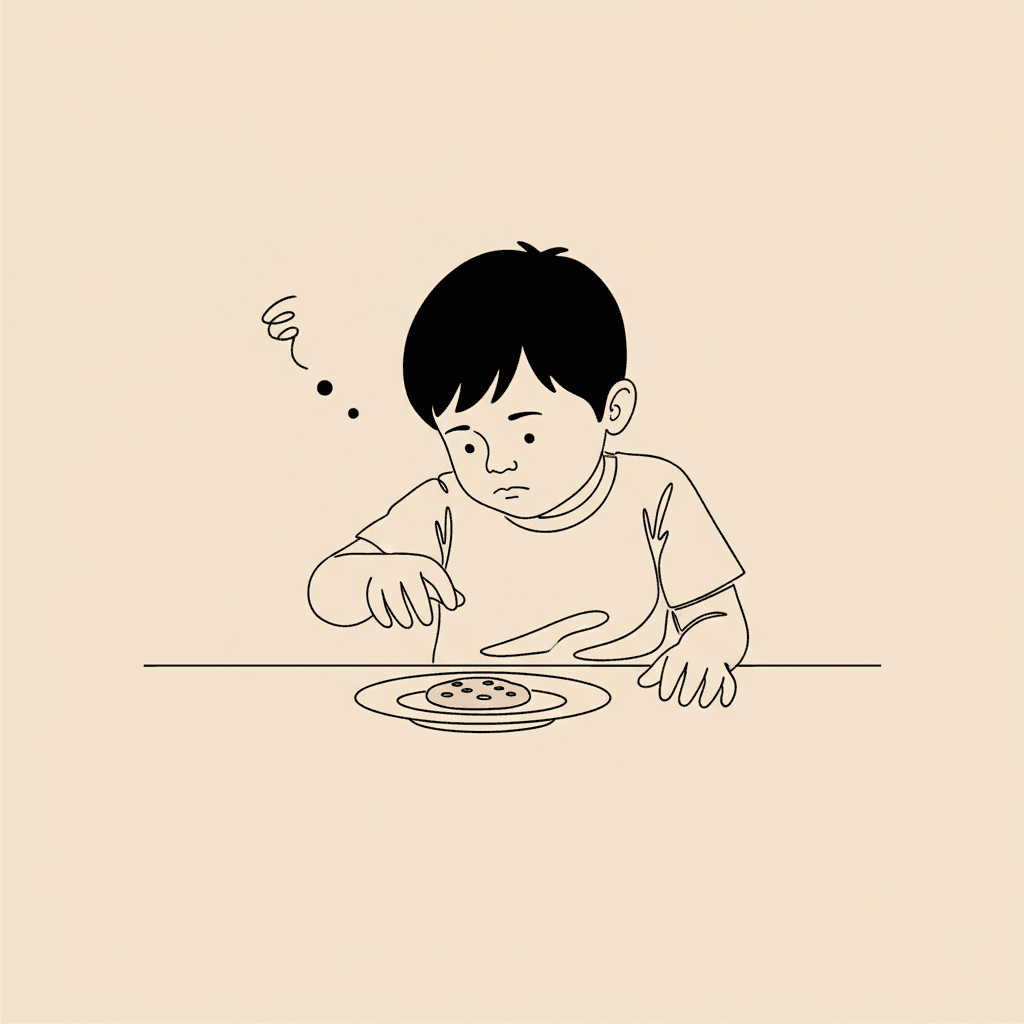
I put a cookie down and told my daughter she could have two if she waited. She lasted ninety seconds. I used to think that meant something about her future. Then I read what the 2018 marshmallow test replication found, and it changed how I think about self-control in young children entirely.